


От 14 до 16 октомври 2026 г. Варна бе домакин на Международната научна конференция LTER-BG International Scientific Conference 2026, посветена на 20-годишнината на Българската мрежа за дългосрочни екосистемни изследвания (LTER-BG).
Форумът обедини учени, екологични експерти, представители на научни организации, институции и заинтересовани страни, които обсъждаха промените в природата, климатичните предизвикателства, опазването на биологичното разнообразие и устойчивото управление на природните ресурси.
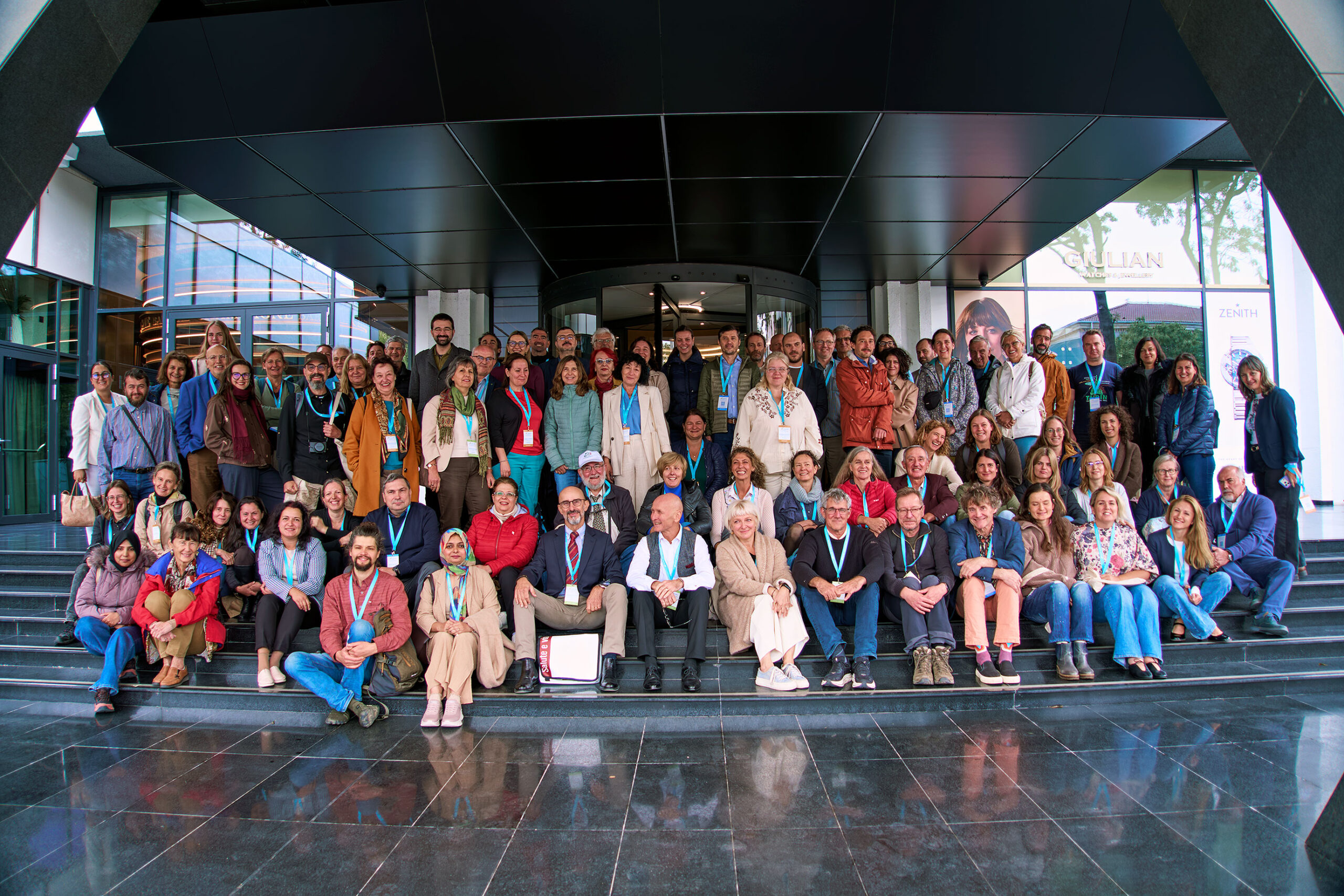
Създадена през 2006 г., Българската мрежа за дългосрочни екосистемни изследвания включеа различни екосистеми, научни екипи и изследователски традиции в обща научна рамка.
Днес мрежата е представена от седем дългосрочни изследователски сайта в България, обхващащи разнообразни природни условия и един потенциален:
- Петрохан–Понор – букови гори и Западна Стара планина;
- Сребърна – крайдунавско езеро и влажна зона;
- Черно море – крайбрежни морски екосистеми;
- Созопол – морски местообитания в Созополския залив;
- Парангалица – естествени смърчови гори в Рила;
- Река Места – трансгранична планинска река;
- Беласица – гори от бук и питомен кестен.
- Розова долина – в процес на приемане
На тези платформи учените проследяват състоянието на природните системи и промените, настъпващи в продължение на години и десетилетия. Натрупаните данни позволяват да се разбере как климатът, човешката дейност и природните процеси влияят върху екосистемите.
Под мотото „Утре започва от вчера“ LTER-BG напомня, че разбирането на бъдещите промени в природата е възможно благодарение на знанията и наблюденията, натрупани в миналото.
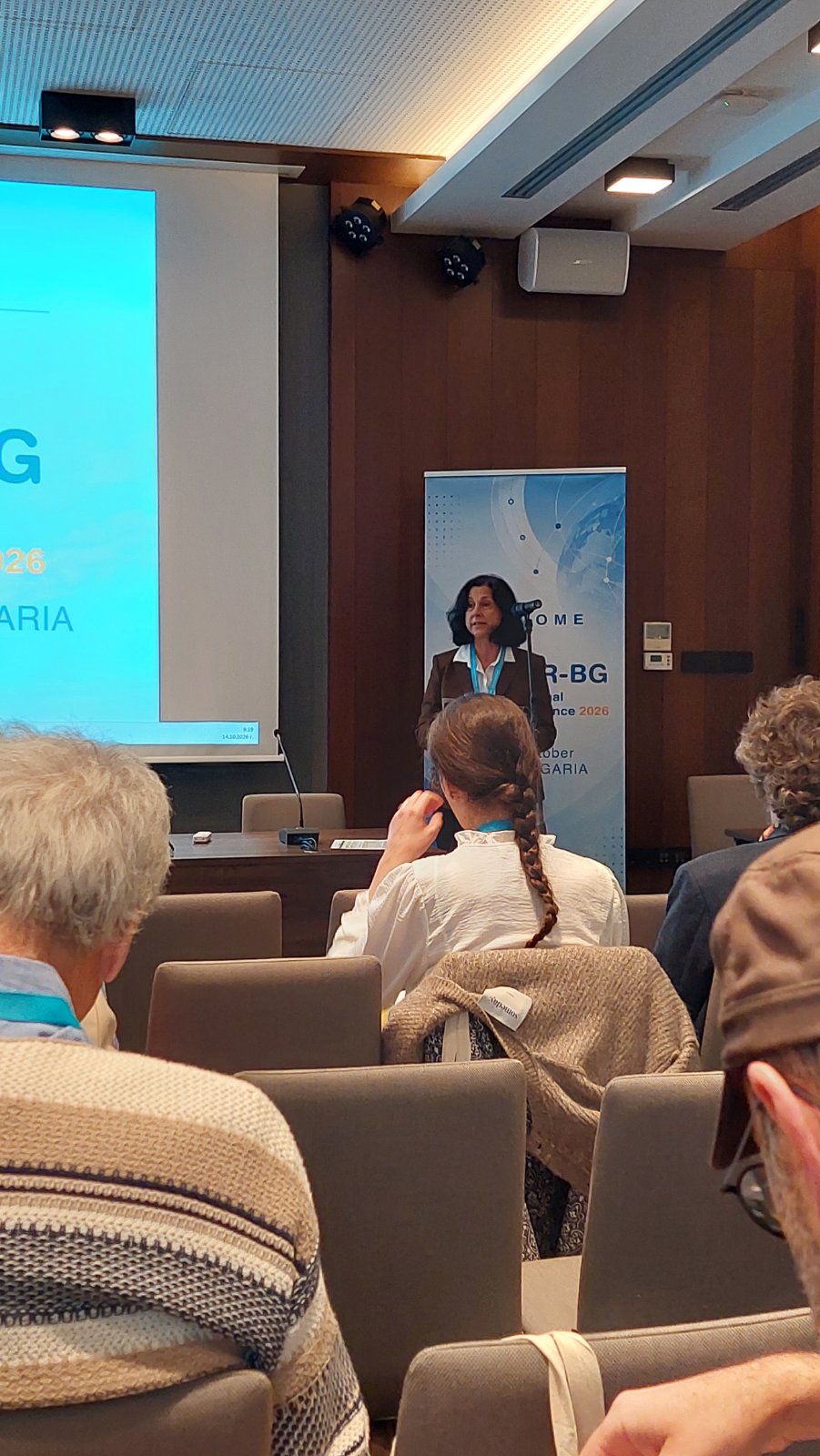
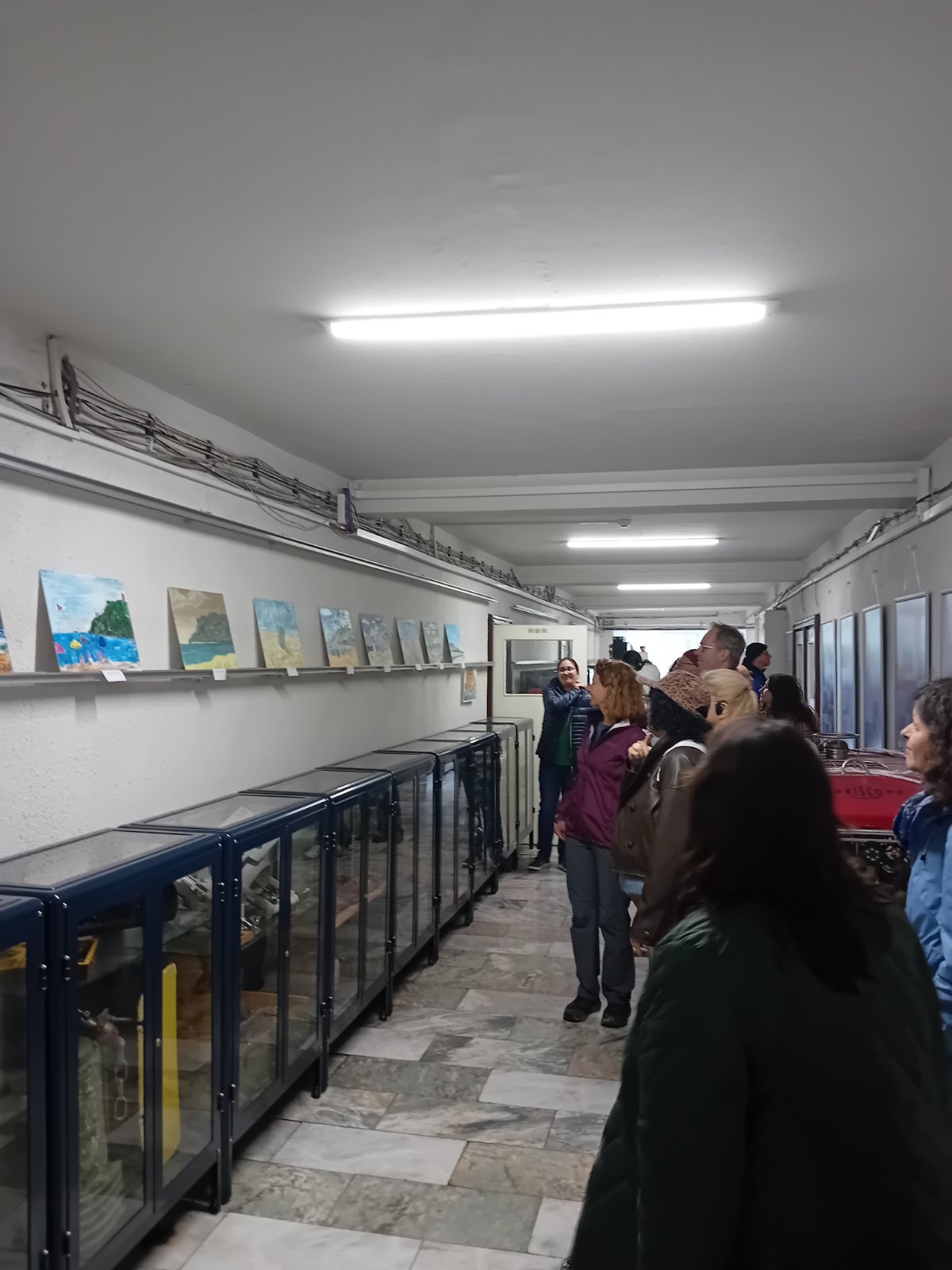
Юбилеят е признание за дългогодишната работа на българските учени и за значението на международното сътрудничество в опазването на околната среда.
Конференцията бе организирана от Института по биоразнобразие и екосистемни изследвания и Института по океанология с подкрепата на eLTER RI и Pensoft Publishers.
LTER-BG получава финансиране по Националната пътна карта за научна инфраструктура, към Министерството на образованието и науката на Република България. Координиран от Института по биоразнообразие и екосистемни изследвания – БАН и партньори: Институт по океанология – БАН, Институт за гората – БАН, Лесотехнически университет.
В рамките на конференцията участниците имаха възможност да посетят научноизследователската инфраструктура на сайт „Черно море“, в частност ИО-БАН, и да се запознаят с възможностите на съвременното оборудване, използвано за провеждане на фундаментални и приложни научни изследвания в областта на океанологията. Посещението предостави възможност за непосредствено запознаване с техническите средства и специализираната апаратура за наблюдение, измерване и събиране на данни за състоянието на морската среда, както и с тяхното приложение при изследването на физичните, химичните, биологичните и геоложките процеси в Черно море.
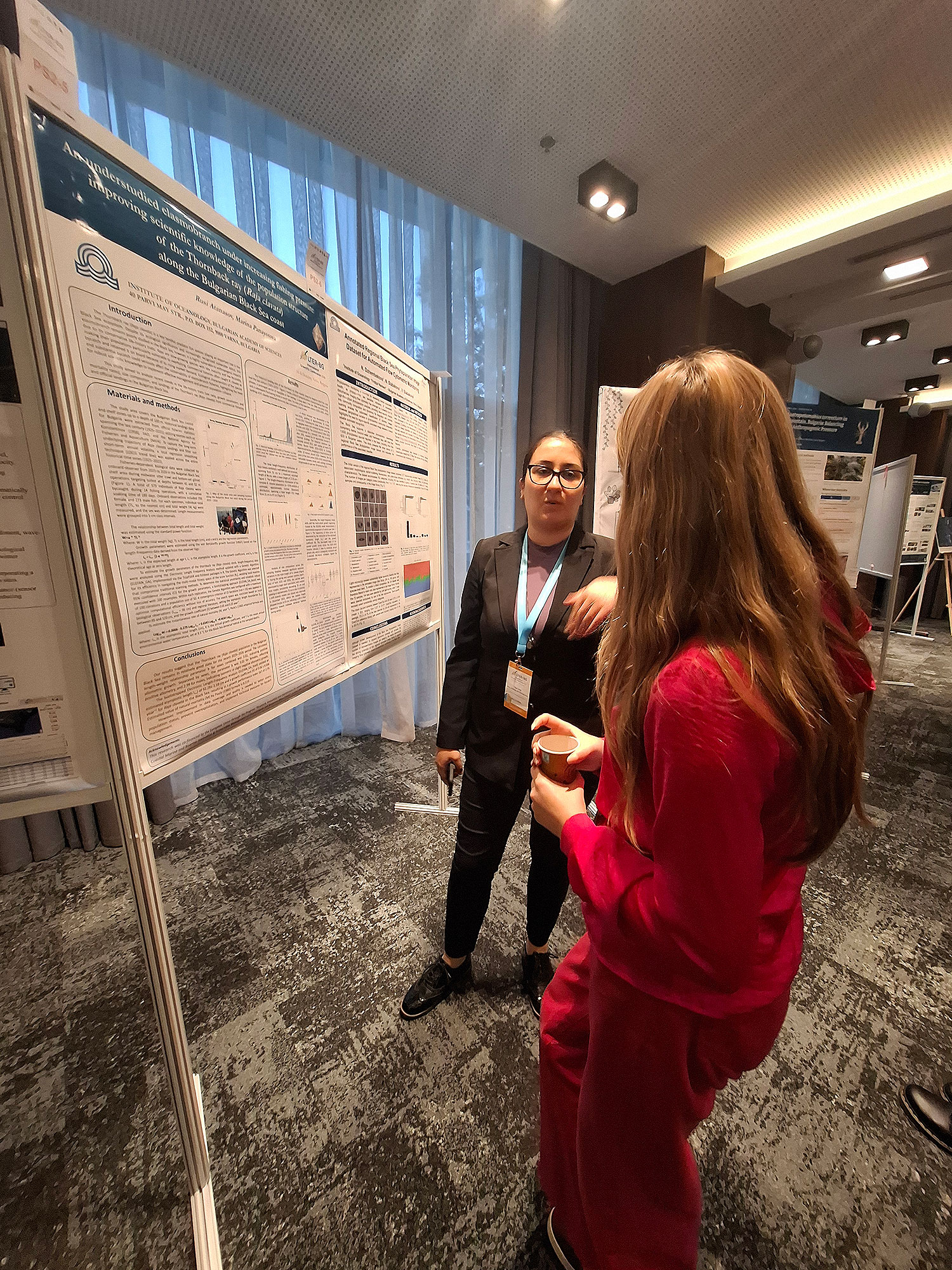
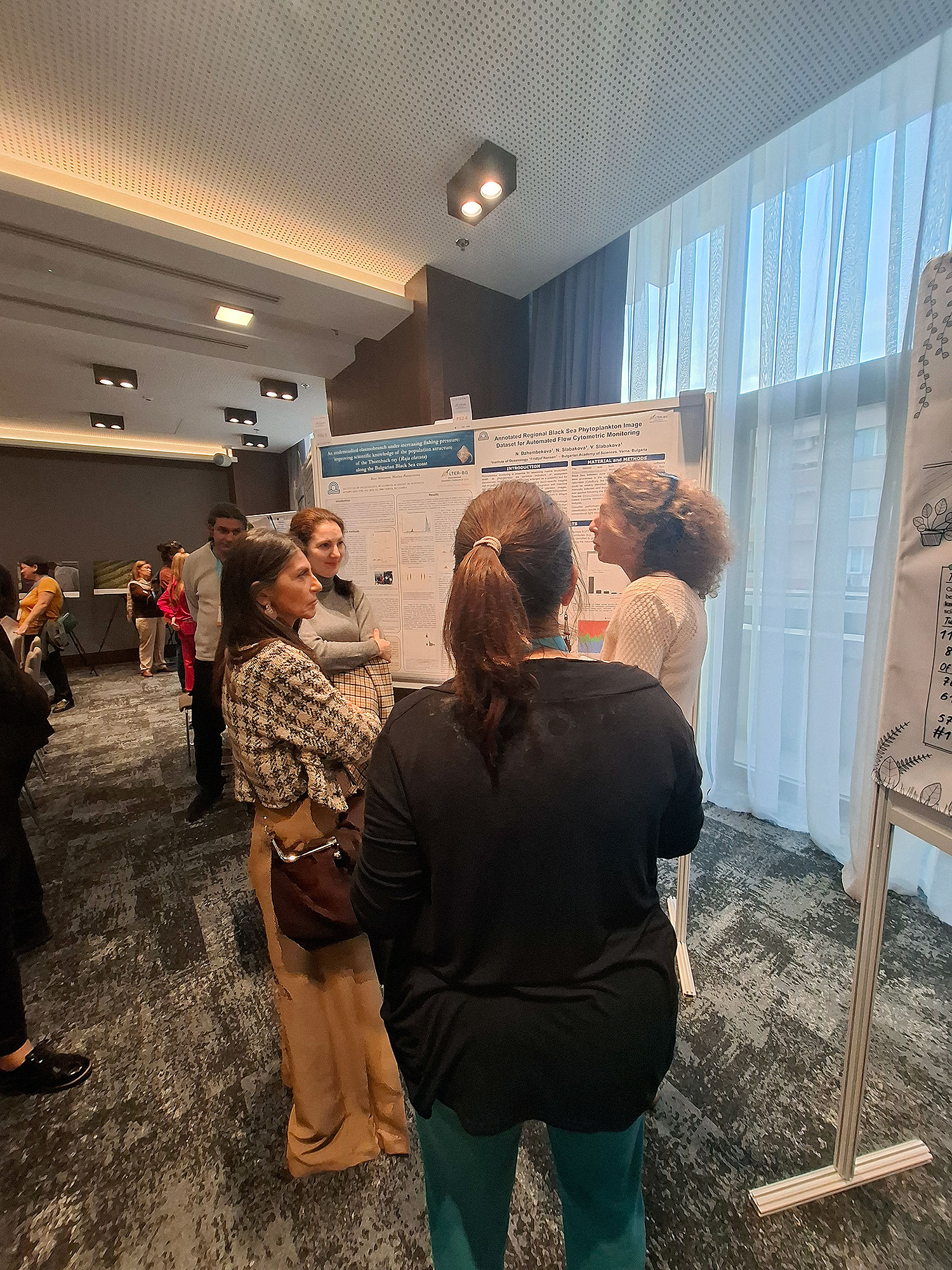
Участниците се запознаха и със съвременни автономни океанографски системи и измервателни технологии, сред които профилиращи сонди от системата Argo, подводни и въздушни дронове, закотвени буйове за наблюдение на морското вълнение и радарни сензори за проследяване на измененията в морското ниво. Бяха представени основните принципи на тяхната работа и значението им за осигуряване на надеждни и непрекъснати данни, необходими за мониторинга и научното изследване на морската среда.
Програмата на посещението включваше и запознаване със специализираните лаборатории по морска биология, химия, молекулярна биология, в които се извършват анализи на проби от морска вода, планктон и дънни седименти. Участниците получиха информация за прилаганите аналитични методи и за ролята на лабораторните изследвания при оценката на състоянието на морските екосистеми и изучаването на протичащите в тях процеси.
Посещението на научноизследователската инфраструктура на сайт „Черно море“ даде възможност на участниците да придобият цялостна представа за съвременния научен и технологичен потенциал за изследване на морската среда. То допринесе за обмена на знания и опит, за обсъждането на възможности за бъдещо научно сътрудничество и за популяризирането на значението на морските изследвания в контекста на националните научни приоритети и съвременните световни тенденции в океанологията и ролята на Института по океанология в процеса.
International Scientific Conference Celebrates 20 Years of Long-Term Ecosystem Research in Bulgaria
From 14 to 16 October 2026, Varna is hosting the LTER-BG International Scientific Conference 2026, dedicated to the 20th anniversary of the Bulgarian Long-Term Ecosystem Research Network (LTER-BG).
The conference brings together scientists, environmental experts, representatives of research organisations, institutions and stakeholders to discuss environmental changes, climate-related challenges, biodiversity conservation and the sustainable management of natural resources.
Established in 2006, the Bulgarian Long-Term Ecosystem Research Network (LTER-BG) brings together diverse ecosystems, scientific teams and research traditions within a common scientific framework.
Today, the network comprises seven long-term ecosystem research sites across Bulgaria, with one additional candidate site currently undergoing the admission process. These sites represent a wide range of natural environments:
- Petrohan–Ponor – beech forests in the Western Balkan Mountains;
- Srebarna – a Danube lake and wetland ecosystem;
- Black Sea – marine ecosystems;
- Sozopol –marine habitats in Sozopol Bay;
- Parangalitsa – natural spruce forests in the Rila Mountains;
- Mesta River – a transboundary mountain river;
- Belasitsa – beech and sweet chestnut forests;
- Rose Valley – a candidate research site currently undergoing the admission process.
At these sites, scientists monitor the condition of natural ecosystems and track changes occurring over years and decades. The accumulated long-term data provide valuable insights into how climate, human activities and natural processes influence ecosystem structure, functioning and dynamics.
Under the motto “Tomorrow Begins with Yesterday,” LTER-BG highlights the importance of knowledge and observations accumulated in the past for understanding and anticipating future environmental changes.
The 20th anniversary recognises the long-standing dedication of Bulgarian scientists and emphasises the importance of international scientific cooperation in environmental research and nature conservation.
The conference was jointly organized by the Institute of Biodiversity and Ecosystem Research (IBER) and the Institute of Oceanology (IO), with the support of eLTER RI and Pensoft Publishers.
LTER-BG receives funding through the National Roadmap for Research Infrastructure of the Ministry of Education and Science of the Republic of Bulgaria. The research infrastructure is coordinated by the Institute of Biodiversity and Ecosystem Research at the Bulgarian Academy of Sciences (IBER-BAS), in partnership with the Institute of Oceanology (IO-BAS), the Forest Research Institute (BAS), and the University of Forestry.
As part of the conference programme, participants had the opportunity to visit the Black Sea Research Infrastructure Site, particularly the facilities of the Institute of Oceanology at the Bulgarian Academy of Sciences (IO-BAS), and explore the capabilities of modern scientific equipment used for fundamental and applied research in oceanology.
The visit provided first-hand insights into the technical facilities and specialized instrumentation used for observing, measuring, and collecting data on the marine environment, as well as their applications in investigating physical, chemical, biological, and geological processes in the Black Sea.
Participants were introduced to advanced autonomous oceanographic systems and measurement technologies, including Argo profiling floats, underwater and aerial drones, moored buoys for wave monitoring, and radar sensors for sea-level observations. The operating principles of these systems were presented, highlighting their importance in providing reliable and continuous data essential for marine environmental monitoring and scientific research.
The programme also included visits to specialized laboratories for marine biology, chemistry, and molecular biology, where samples of seawater, plankton, and marine sediments are analysed. Participants learned about the analytical methods applied in these laboratories and the essential role of laboratory investigations in assessing the condition of marine ecosystems and understanding the processes occurring within them.
The visit to the Black Sea Research Infrastructure Site provided participants with a comprehensive overview of the modern scientific and technological capabilities available for marine environmental research. It also fostered the exchange of knowledge and expertise, encouraged discussions on opportunities for future scientific collaboration, and highlighted the importance of marine research in the context of national research priorities and current global trends in oceanology.
Particular emphasis was placed on the important role of the Institute of Oceanology (IO-BAS) in advancing marine scientific research, developing and maintaining research infrastructure, and contributing to national and international scientific cooperation.